Fatima Message Explained Catholic Faithfully

On October 13, 1917, tens of thousands stood in rain and mud near Fatima and saw something they could not easily explain. For Catholics, that day matters not because it offers spectacle, but because it points to a motherly warning and a motherly promise. If you are searching for the Fatima message explained Catholic teaching holds at its center, the heart of it is simple: God calls the world to conversion, and Mary was sent to remind us.
What the Fatima message means in Catholic life
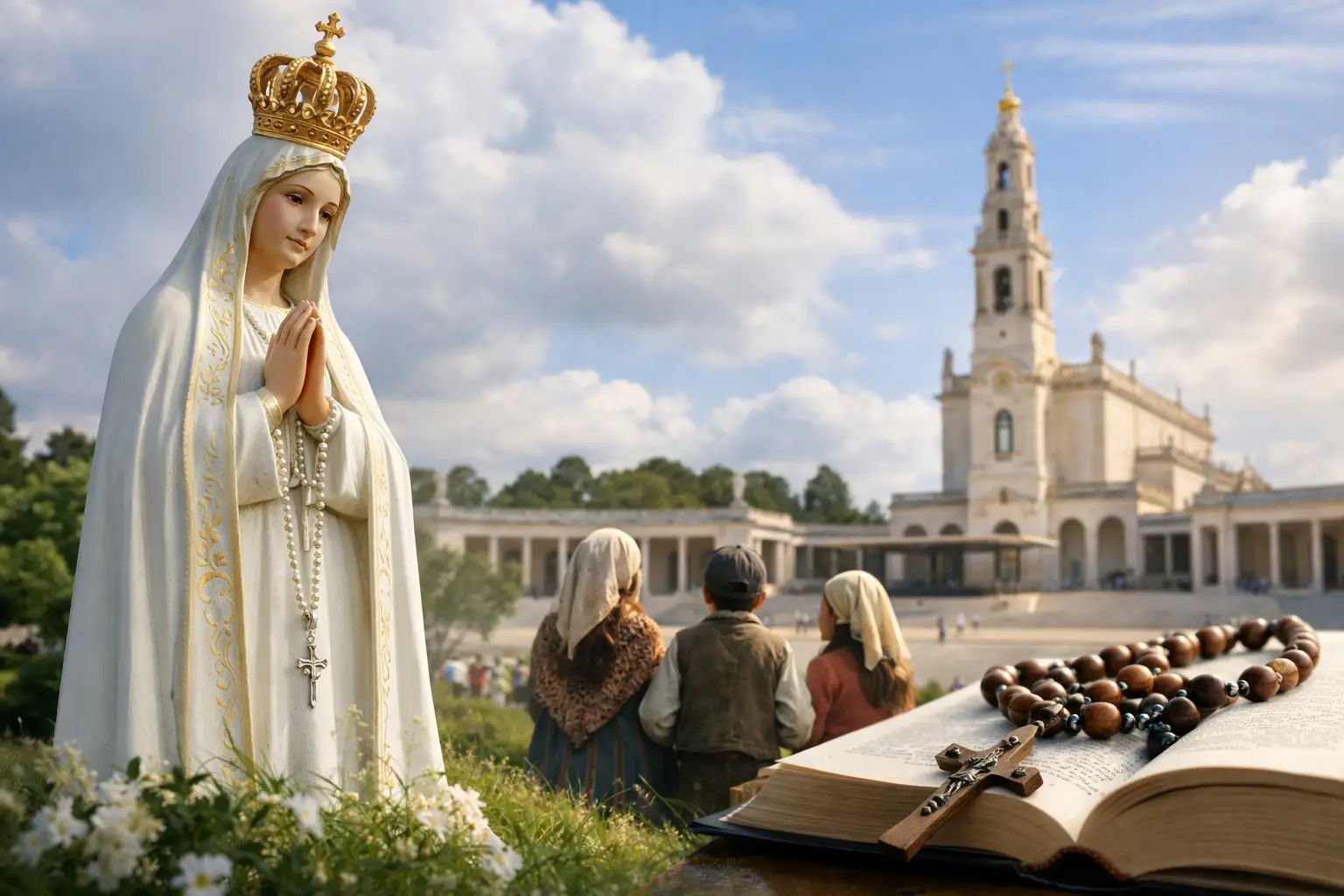
The apparitions at Fatima took place in Portugal in 1917, when the Virgin Mary appeared to three shepherd children - Lucia, Francisco, and Jacinta. The Church approved these apparitions as worthy of belief, which means Catholics may accept them with confidence, though no Catholic is required to believe in any private revelation in the same way we believe Scripture and the Creed.
That distinction matters. Fatima does not add a new doctrine. It does not revise the Gospel. It presses the Gospel upon the conscience with urgency. In other words, Fatima is not a separate message standing beside Christianity. It is a Marian appeal to live Christianity seriously.
Mary's words and the events surrounding the apparitions consistently return to a few themes: prayer, repentance, reparation for sin, devotion to her Immaculate Heart, and concern for the salvation of souls. These are not fringe ideas. They are deeply Catholic. Fatima sounds dramatic because sin is dramatic, and because eternity is real.
Fatima message explained Catholic teaching in plain words
If the message must be stated plainly, it is this: stop offending God, turn away from sin, pray the Rosary, offer sacrifices in love, and trust that God's mercy is greater than the darkness of history.
Mary asked for the daily Rosary. She asked for penance. She asked that people pray for sinners. She showed the children a vision of hell, not to satisfy curiosity, but to awaken compassion and seriousness. She spoke of future suffering, persecution, and war if humanity did not repent. Yet even in warning, Fatima is filled with hope. Mary's promise is not despair, but triumph - "In the end, my Immaculate Heart will triumph."
That is why Fatima has remained alive in Catholic devotion for more than a century. It speaks to every age that mistakes comfort for peace and indifference for freedom.
Prayer was not a side detail
At Fatima, prayer is presented as spiritual work. The Rosary is not treated as a decorative devotion for the especially pious. It is presented as a real means of intercession for peace and conversion. That can sound too simple for modern ears. We often want solutions that feel larger, more strategic, more impressive.
But the Catholic instinct is different. Grace moves through humble means. A whispered decade prayed in a kitchen, car, chapel, or hospital room may do more than we can measure. Fatima calls Catholics back to confidence in prayer precisely because the modern world tends to underrate it.
Penance means love with a cost
The word penance can make people uneasy. Some imagine severe practices detached from charity or common sense. The message of Fatima is not a call to theatrical suffering. It is a call to willingly offer the daily crosses God permits - illness, inconvenience, restraint, patience, fasting, hidden acts of self-denial - for the love of God and the good of souls.
There is always a balance here. Catholic spirituality does not glorify harm, and prudent guidance matters. For children, families, and people in fragile health, penance will look different. But the underlying truth remains: love becomes deeper when it is sacrificial.
Reparation is a deeply Catholic idea
Mary's requests at Fatima include making reparation for sins committed against God and against her Immaculate Heart. To modern ears, reparation may sound unfamiliar, yet it belongs to the logic of love. When someone beloved is wounded, love does not shrug. It responds. It consoles. It seeks to make amends.
In Catholic life, reparation means offering prayer, sacrifice, and devotion in union with Jesus for the sins of the world. It is not a denial that Christ's sacrifice is sufficient. Rather, it is our participation in that sacrifice. Fatima invites the faithful to enter that mystery with sincerity.
The three secrets of Fatima, rightly understood
Many people first approach Fatima through curiosity about the so-called three secrets. That interest is understandable, but it can also distract from the substance.
The first secret was a vision of hell. This is sobering, but its purpose was pastoral. Mary wanted the children, and through them the world, to understand what is at stake. The second concerned devotion to the Immaculate Heart and warnings about war, error, and suffering if people did not repent. The third, later revealed by the Church, described a vision of persecution and martyrdom in the Church's path through history.
Catholics sometimes disagree about details of interpretation, especially around historical applications. That is where humility is needed. Fatima has prophetic force, but not every speculation about Fatima is equally trustworthy. The safest reading is always the ecclesial one: the message urges conversion, prayer, penance, and confidence in God's final victory.
When Fatima becomes a puzzle to decode rather than a call to holiness, something essential is lost.
Why the Immaculate Heart is central
To understand Fatima, you must understand the heart of Mary. In Catholic devotion, the Immaculate Heart represents her interior life - her purity, her love for God, her sorrow over sin, and her perfect union with the mission of her Son.
Devotion to the Immaculate Heart is not competition with devotion to Jesus. It leads to Jesus. Mary receives us as a mother so she may form us as disciples. At Fatima, her heart is shown as both wounded and triumphant. Wounded because humanity resists grace. Triumphant because God's plan is not defeated by human rebellion.
This is one reason Fatima continues to comfort believers in turbulent times. The world can feel unstable, the Church can suffer, and families can carry hidden grief. Yet the maternal heart of Mary remains a place of refuge, not as an escape from responsibility, but as a school of fidelity.
What Fatima asks of Catholics today
The Fatima message is not only for 1917 Portugal. It reaches into ordinary Catholic life now.
It asks whether we take sin seriously without losing hope. It asks whether we pray daily, especially the Rosary, even when distracted. It asks whether we offer sacrifices with love rather than resentment. It asks whether we care about the salvation of others or only our own comfort. And it asks whether we believe that grace can still change the world.
For parish leaders, Fatima can shape communal prayer and Eucharistic devotion. For parents and homeschool families, it offers a language of holiness that children can grasp - prayer, sacrifice, love for Mary, and trust in heaven. For Catholics scattered across nations and languages, it carries a universal tenderness. One Mother speaks to all her children.
That universality matters. The message of Fatima is unmistakably Catholic, yet it is also beautifully accessible. A child can begin to live it. A suffering adult can cling to it. A weary generation can be renewed by it.
At Mother of God Studios, that is part of what makes Marian storytelling so precious. When sacred truth is carried through beautiful, faithful art, hearts are often reached before arguments are finished.
A final word on fear and hope
Some people come to Fatima and leave with fear. That can happen when warning is heard without relationship. But Mary's message is not meant to trap the soul in anxiety. She came as a mother. She warned because she loves. She asked for prayer because grace is real. She asked for penance because souls matter. She pointed to her Immaculate Heart because God has given the Church not only truth to believe, but a mother to help us live it.
So if you want the Fatima message explained Catholic tradition would answer with both sobriety and consolation. Yes, the world must repent. Yes, sin wounds souls and societies. Yes, prayer and sacrifice are urgently needed. But above all, heaven has not abandoned us, and the call of Fatima is still a call home.


Comments